01
Selecting the hide
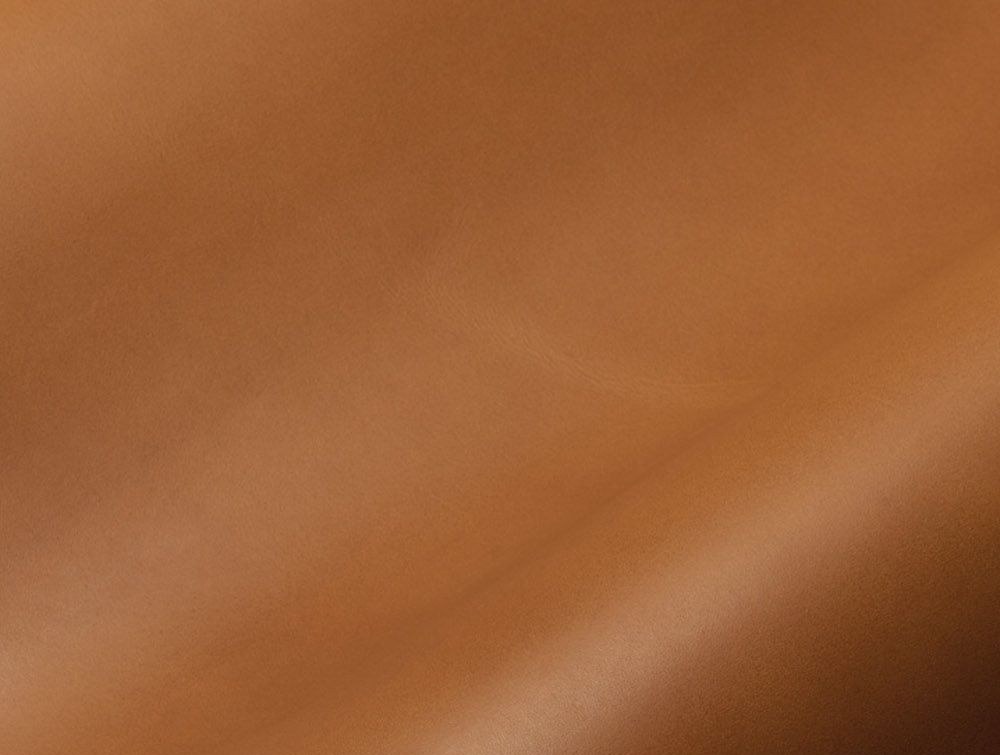
Every order starts at the hide, not the pattern. We read grain direction, scarring and stretch, then mark only the panels that will hold their shape for years. Roughly a third of each hide is set aside.
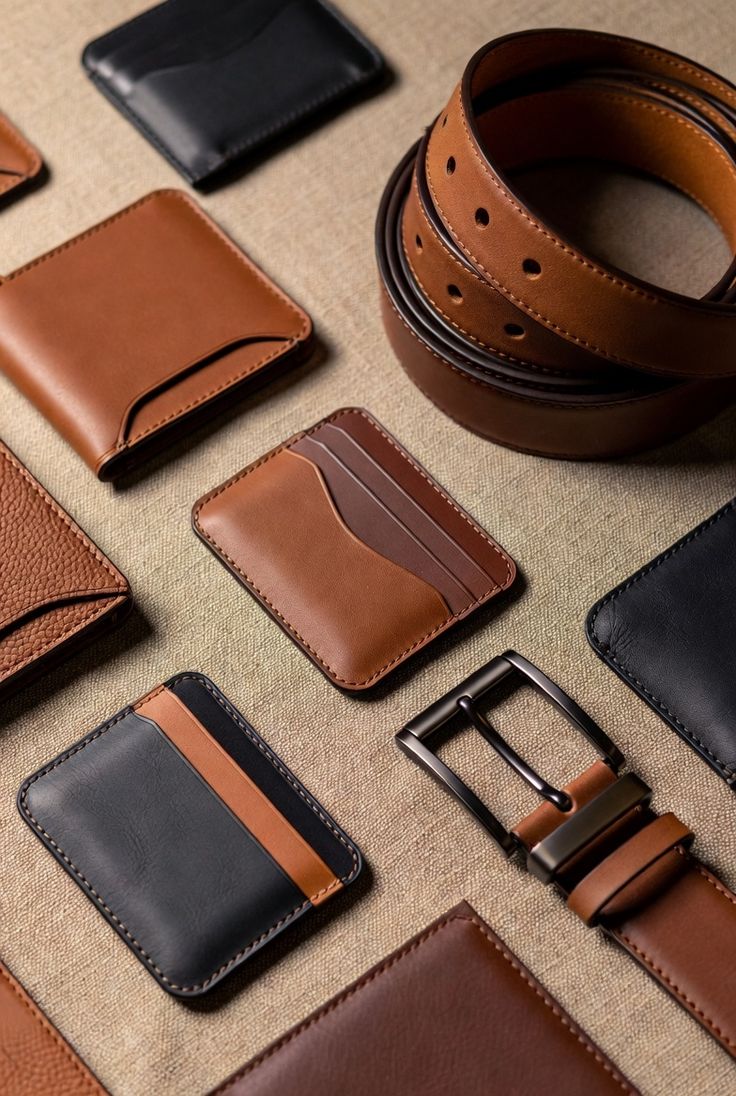
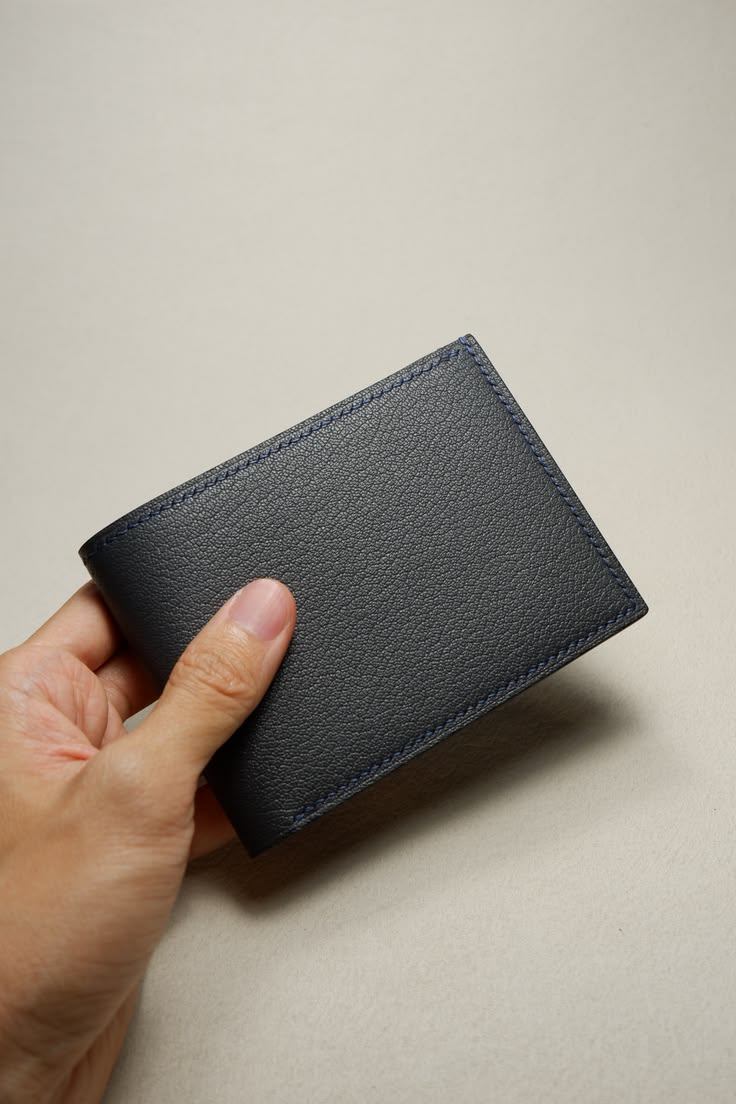
Full-grain vegetable-tanned leather, saddle-stitched with waxed linen thread and burnished edge by edge. Built to darken, soften and outlast the decade.
 The hide
 Thread
 Stitching
 Finished
Every order starts at the hide, not the pattern. We read grain direction, scarring and stretch, then mark only the panels that will hold their shape for years. Roughly a third of each hide is set aside.
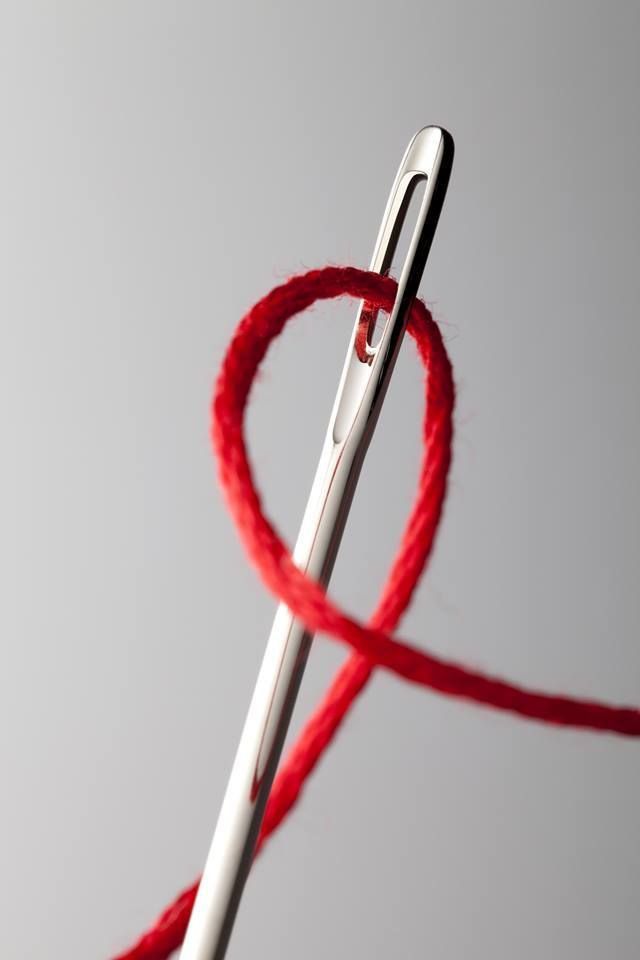
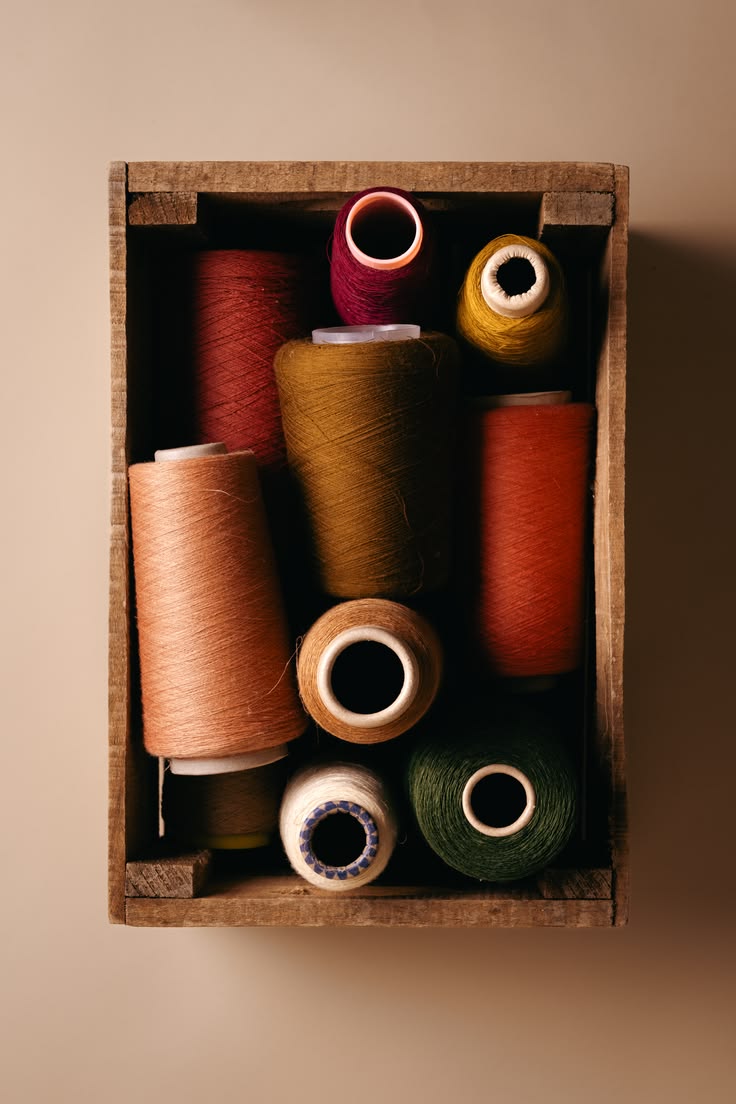
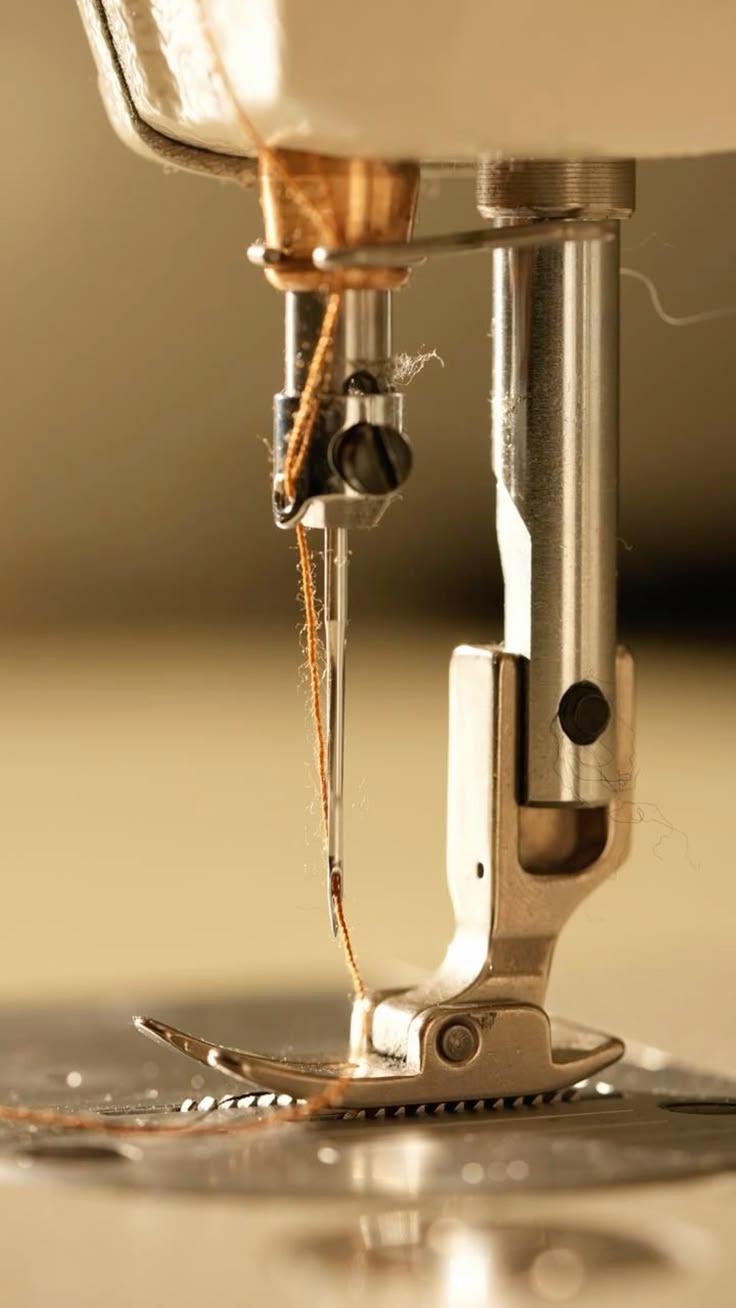
Thread is matched to the leather before a single hole is punched. Weight, twist and wax are chosen so the stitch sits into the surface rather than on top of it. The wrong thread shows up three years later, not on day one.
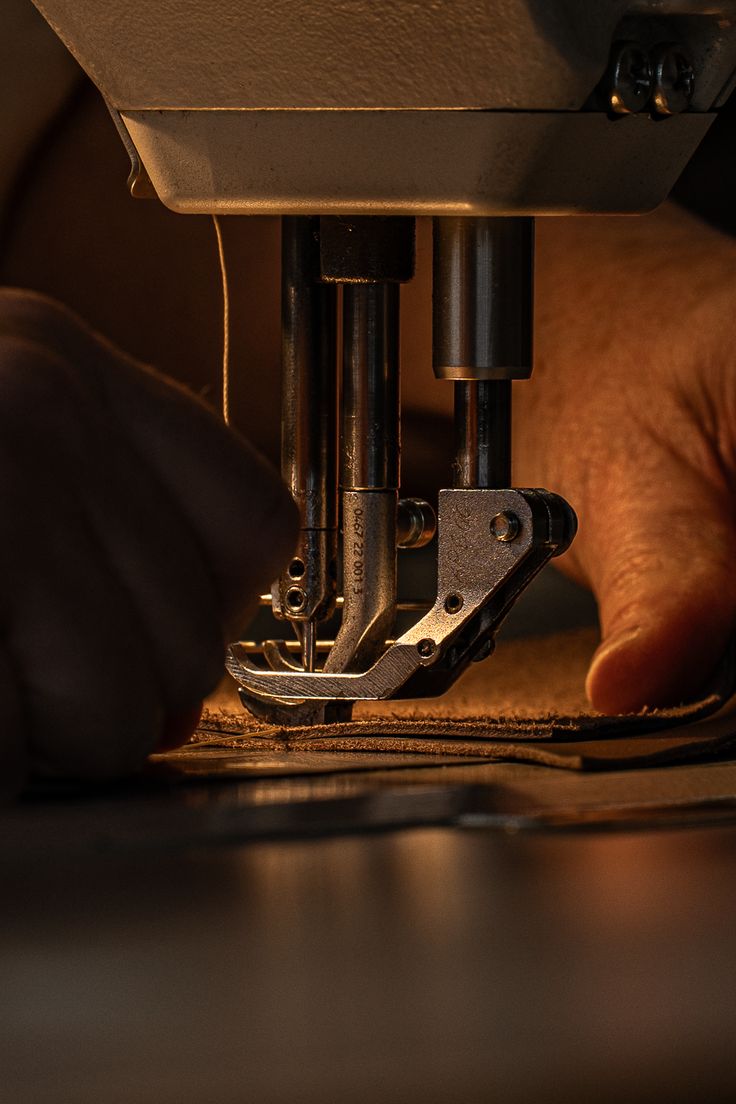
Panels are cut against steel rule and skived down at every fold, so the wallet closes flat instead of bulking at the spine. Then it is stitched, locked at every hole, so cutting one stitch never unravels the seam.
Edges are sanded, dampened, and worked with a wooden slicker until the fibres compress to a glass finish. A final coat of beeswax seals the surface. Then it is checked, numbered, and boxed.
Vegetable tanning takes weeks instead of hours, and uses bark tannins rather than chrome salts. The result is a hide that keeps its fibre structure, so it takes a patina, holds a crease where you fold it, and darkens toward the colour of use rather than wear.
“Three years in my back pocket and it looks better than the day it arrived.”R. Ahmed, Bifold No. 01
Join the list for new drops, restocks and a short note on leather care. No noise, roughly once a month.